Staying in Spain's paradores: a practical guide
Castles, convents and mountain lodges run by a state company: what paradores are, how to pick one and how to book well.
What a parador is
Paradores are hotels owned and operated by Paradores de Turismo de España, a state-owned company. The idea dates to the 1920s, when the government set out to give travelers decent places to stay in parts of Spain that had few hotels; the first, in the Sierra de Gredos, opened in 1928. Today the network counts roughly a hundred properties, almost all of them in Spain.
Many occupy historic buildings: medieval castles, Renaissance palaces, monasteries and pilgrim hospitals. Others are purpose-built hotels in national parks, on the coast or in small towns, chosen for their setting rather than their walls.
How to choose one
- Building or view? Decide whether you want to sleep inside history or look out at it. Some of the most memorable paradores are modern buildings facing a famous old town.
- Location in town: some castle paradores sit on hilltops outside the center, which is atmospheric but may mean a drive or a steep walk to dinner.
- Room type: rooms in historic paradores vary a lot in size and outlook. It is worth paying a little more for a room with a view or in the oldest wing.
- Food: parador restaurants focus on regional cooking, which makes a good introduction to local dishes and wines.
A few to start with
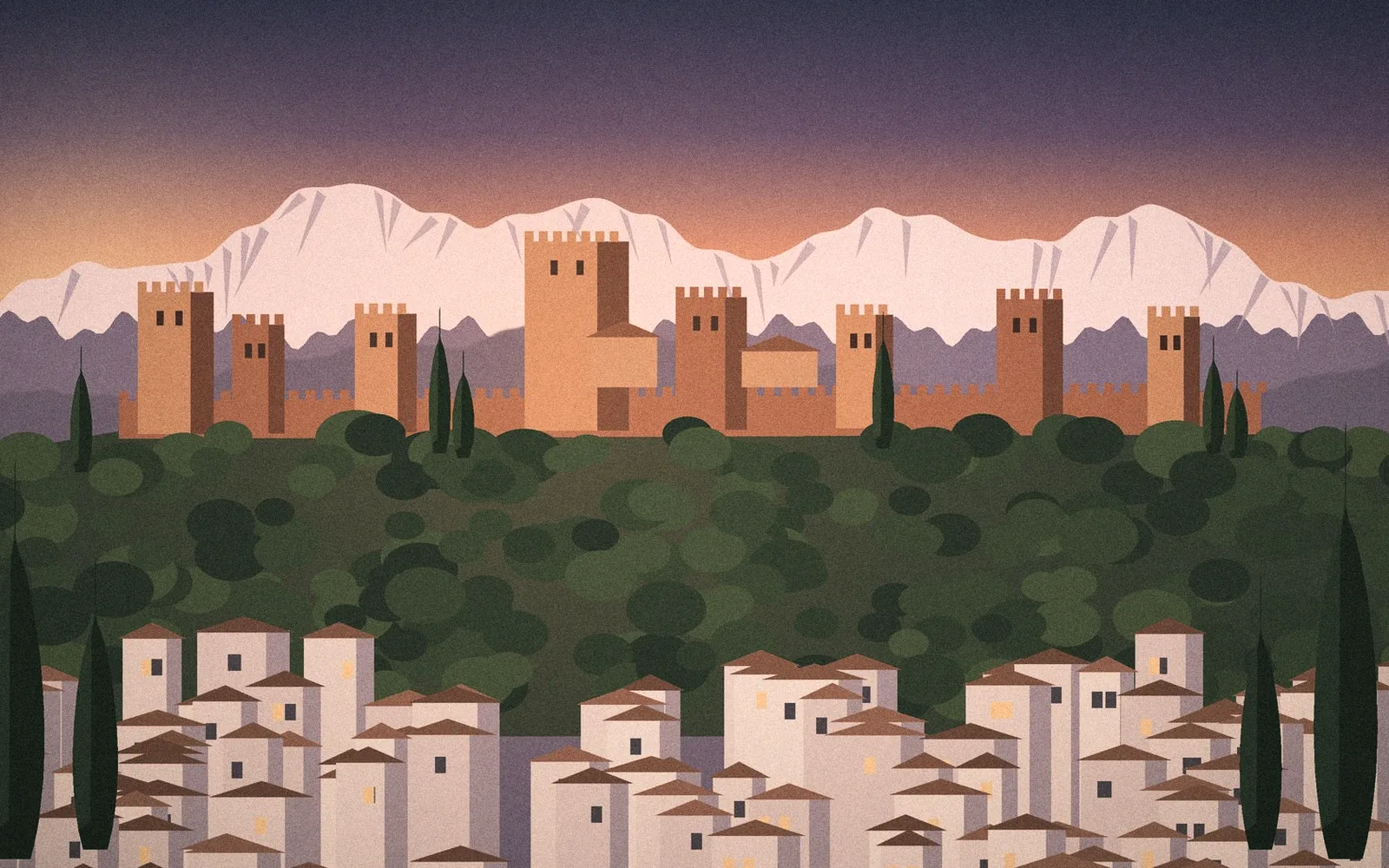
The Parador de Granada, set inside the Alhambra in a former convent, is the best known and the hardest to book. Santiago de Compostela's parador, a royal hospital for pilgrims founded at the end of the 15th century, faces the cathedral square. Castles such as those in Sigüenza, Cardona and Hondarribia give you the feel of a fortress, while the paradores in Toledo and Cuenca are prized for their views.
Booking tips
- Book directly with Paradores for the clearest terms. Its free loyalty program can bring member rates and points.
- Look for special offers on the official site, such as discounts for older or younger travelers, but check current conditions.
- For famous properties like Granada, book months ahead, especially for spring and autumn weekends.
- Ask whether parking is included; in historic centers it is often limited.
- Restaurants and cafés are usually open to non-guests, so you can enjoy a parador for lunch even if you sleep elsewhere.