Paris in 48 hours
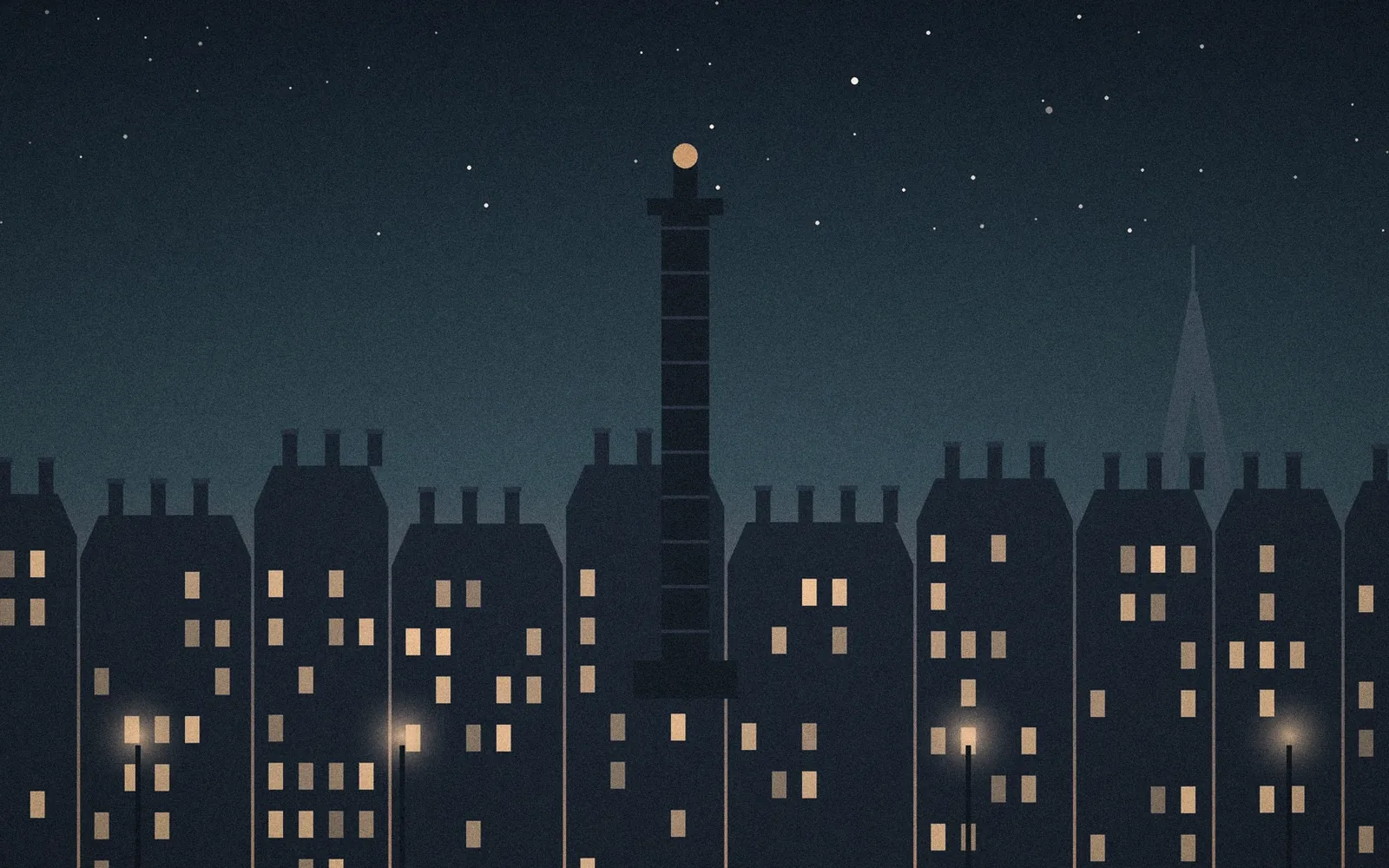
Paris is at its best when you give it time to wander. Plan one museum a day, not three, and leave room for a bakery queue, a riverbank bench and a long dinner on a narrow street.
Best time to visit. Late spring and early autumn, roughly May to June and September to October. Winter is gray but uncrowded, and many locals leave in August.
Where to base yourself
- Place Vendôme and Saint-Honoré. A smart, central base between the Tuileries and the Opéra, with jewelers on the square and fashion houses along the rue.
- Île de la Cité and Île Saint-Louis. The two river islands, with Notre-Dame, the stained glass of the Sainte-Chapelle and quiet quays.
- Haut-Marais. Galleries, concept stores, the Picasso Museum and the old covered Marché des Enfants Rouges.
- 7th arrondissement. Calm streets between the Musée d'Orsay, the Rodin Museum and the Eiffel Tower.
- South Pigalle. Below Montmartre, with cocktail bars, small restaurants and a younger crowd.
Two perfect days
Day one · The islands and the Left Bank
- Morning
- Sainte-Chapelle in morning light, then Notre-Dame
- Afternoon
- Lunch on Île Saint-Louis and a walk along the quays to the Musée d'Orsay
- Evening
- Dinner in Saint-Germain and a nightcap in a hotel bar
Day two · The Right Bank
- Morning
- The Palais-Royal gardens and the Louvre, booked for a timed entry
- Afternoon
- Coffee in the Haut-Marais and a browse through its galleries
- Evening
- Climb the steps of Montmartre for the sunset view, then eat in South Pigalle
Getting around
The metro is fast and dense; pay with a contactless card or a Navigo Easy pass. Buses are a good way to see the city between stops. From Charles de Gaulle, the RER B train or a fixed-fare taxi reaches the center.
Local tips
- Greet staff with 'Bonjour' before asking anything
- Check closing days: the Louvre closes Tuesdays, Orsay on Mondays
- Bakeries sell out of the best bread by early afternoon
- Reserve dinner at small bistros a few days ahead